

Trademark Case Shows Infringement Is Often in the Eye of the Beholder — Federal Court Rules in Favor of Beauty Company’s “Dupe” Mascara Product

Delhi HC orders suspension of fraudulent social media accounts in UPSTOX trademark case, freezes bank accounts
January 6, 2025
Zen Technologies secures Indian patent for T-72 CGS military training platform
January 10, 2025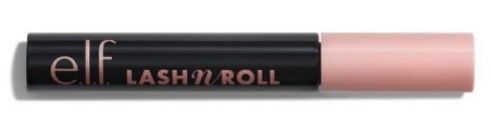
Conventional notions of trademark law suggest that emulating a popular product or service carries certain legal risks. However, a recent federal ruling highlights the complexities of trademark infringement cases involving “dupe” products, and shows there may be a greater tolerance for mimicry in some industries.
In December, a California federal judge ruled that e.l.f. Cosmetics’ (ELF) “Lash ‘N Roll” mascara product did not infringe on the trademark or trade dress of Benefit Cosmetics’ (Benefit) “Roller Lash” mascara and “Hook ‘N’ Roll” applicator brush, despite ELF’s admission that it took cues from Benefit’s mascara when developing its product.
“Dupes” — products that mimic the appearance and function of popular items — are particularly prevalent in the cosmetic industry, where high-end products can be expensive and less accessible to some consumers. This case serves as a reminder that dupe products walk a fine line, and the scale can tip either way based on the facts and circumstances of a particular trademark infringement case.
The dispute centers around the Roller Lash mascara product owned by premier beauty brand Benefit. Benefit is known for its catchy and often retro-styled branding. Roller Lash, marketed to curl and lift lashes, includes an applicator known as a “Hook ‘N’ Roll” brush. Roller Lash mascara (including the applicator brush) has achieved more than $278 million in sales since its release in 2015.
Benefit sued ELF for trademark and trade dress infringement following ELF’s release of its own curling mascara known as Lash ‘N Roll in 2022. Among its claims, Benefit asserted that Elf sought to capitalize on Benefit’s success by copying the Benefit products’ “name, packaging, and marketing wholesale.” ELF admitted to releasing the product as a nod to the popular Benefit product, although the Lash ‘N Roll wordmark also aligns with ELF’s music-inspired mascara line, which includes products like “Lash Beats” and “Lash It Loud.”