

India should sign key IPR agreements to send the right signal: Sanjeev Sanyal of EAC-PM

Court Orders Franchisee to Cease Use of ‘Kake Di Hatti’ Trademark Amid Legal Dispute
November 28, 2024
In 10 years, IISc got nearly 700 patents; filed 1.1k applications
December 2, 2024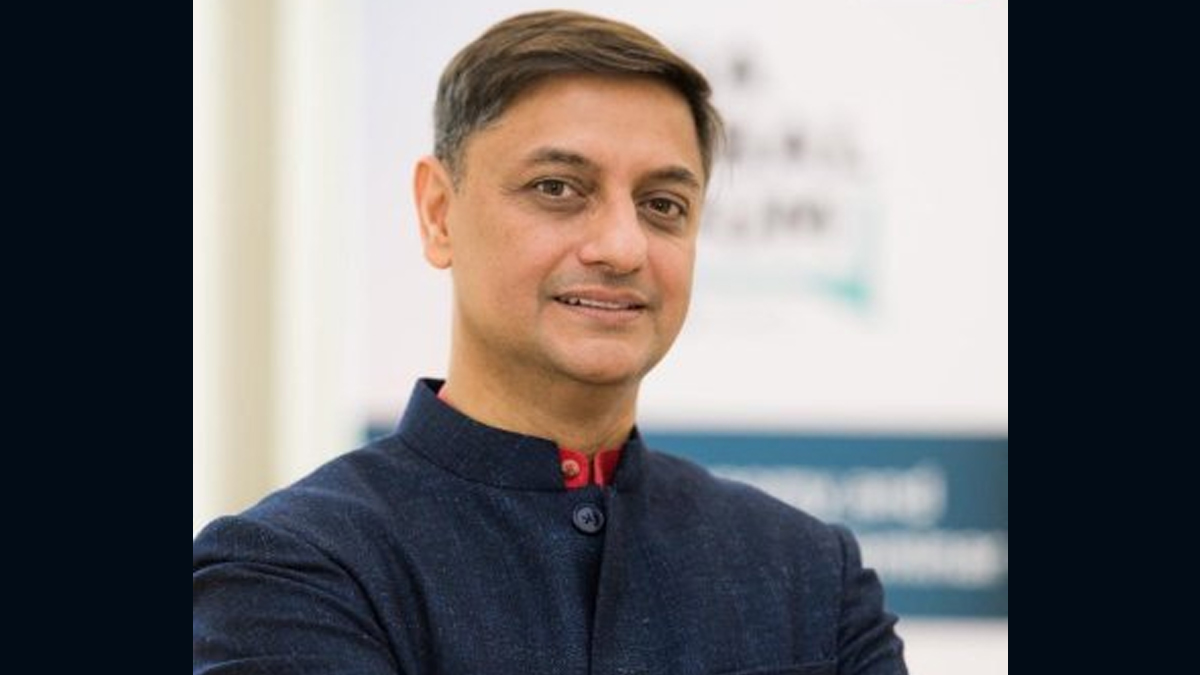
In a working paper on ‘India and Global IPR Treaties,’ Sanjeev Sanyal, a member of the Economic Advisory Council to the PM, urged India to shift from a defensive to an offensive stance on Intellectual Property Rights (IPR). He emphasized the need for India to sign key international IPR agreements to foster a stronger research and development (R&D) ecosystem and align with global best practices.
India needs to move away from a defensive stance to an offensive stance to Intellectual Property Rights (IPR) and sign the key international agreements to send the right signal to domestic and foreign entrepreneurs, Sanjeev Sanyal, member of the Economic Advisory Council to the PM said in his working paper on ‘India and Global IPR Treaties’.
In his paper, co-authored with Apurv Kumar Mishra, consultant with EAC-PM, Sanyal said India needs to take global IPR treaties more seriously as these agreements create the framework for the country’s research and development (R&D) ecosystem to align with global best practices and accurately benchmark our performance with international peers.
The paper analyzes the pros and cons of the four international IPR agreements including the Strasbourg Agreement Concerning the International Patent Classification 1971, Geneva Act of the Hague Agreement on Industrial Designs 1999, Geneva Act of the Lisbon Agreement on Geographical Indications 2015 and the Design Law Treaty 2024.
Suggesting what should be India’s stand on the four agreements, Sanyal said, India should sign the Strasbourg Agreement on patents as it does not have any obvious downside.
Further, India must sign The Geneva Act of the Hague Agreement on industrial designs, however, with safeguards to ensure it gets sufficient time to build its internal capacity to process international application.
On the Design Law Treaty, which was just negotiated and signed in November 2024 at Riyadh, the paper said this agreement like the above also makes procedural improvements in filing and recording changes in design licenses.
On the Lisbon System on geographical indications (GIs), the paper said though it again creates a simplified and time-bound process for international registration of GIs but requires greater stakeholder consultation since it will entail substantive changes in the GI Act 1999.
“India must weigh the domestic sensitivities and benefits for stakeholders before signing up for the treaty,” it added.