

Kerala High Court Quashes Conviction for Alleged Copyright Infringement, Citing Lack of Evidence in Audio Cassette Seizure Case

Ed Sheeran beats copyright appeal over ‘Thinking Out Loud’ song
November 4, 2024
Delhi Police Raid Seizes Nearly 14,000 Counterfeit Honda Parts in Major Trademark Enforcement Action
November 6, 2024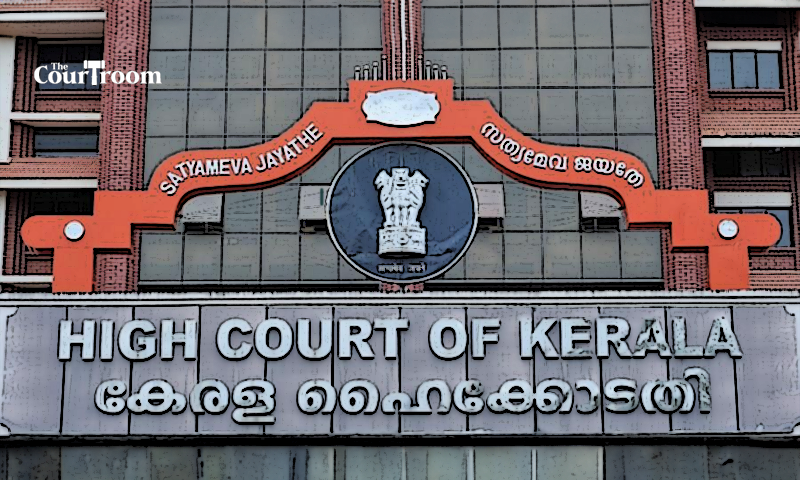
In a significant judgment, the Kerala High Court overturned the conviction of a man accused of selling counterfeit audio cassettes on a footpath in Kannur. The petitioner, O.P. Ashraf, was initially convicted by both the Magistrate Court and the Sessions Court for copyright infringement under Sections 51(a) and 52A read with Section 63 of the Copyright Act. However, the High Court presided over by Justice K. Babu, set aside the conviction, finding that the prosecution failed to prove key elements necessary to establish copyright infringement. The Court noted that the prosecution did not verify the contents of the cassettes or whether any valid copyright had been infringed, leading to the reversal of the lower court’s decision.
Background of the Case:
The case began when the police seized 38 audio cassettes from the revision petitioner, O.P. Ashraf, while he was allegedly selling them on the street in Kannur. The petitioner was charged with violating Sections 51(a) and 52A, read with Section 63 of the Copyright Act, which relate to copyright infringement and the unauthorized sale of sound recordings. Section 51 outlines the conditions under which copyright is infringed, while Section 52A mandates that a sound recording must display specific information, such as the name of the copyright owner, the publisher, and the year of publication.
The petitioner was convicted by the Magistrate Court, and this conviction was upheld by the Sessions Court. However, the petitioner filed a criminal revision petition before the Kerala High Court, arguing that the prosecution had not established the necessary elements of copyright infringement under the Act. The petitioner contended that the conviction was based on incomplete evidence, as the prosecution had failed to verify the contents of the cassettes or confirm who held the copyright to the recordings.
Arguments by the Petitioner:
The petitioner, represented by Advocates K.K. Balakrishnan Kodiyura, Prajit Ratnakaran, E. Mohammed Shafi, and Krishnapriya R., argued that the prosecution’s case was built on incomplete and unsubstantiated evidence. They contended that the prosecution did not establish whether the seized cassettes contained any sound recordings that violated copyright protections under Section 51(a) of the Copyright Act.
Further, the petitioner argued that the prosecution failed to ascertain whether the person who originally made the sound recordings had retained exclusive rights over them. Section 51(a) of the Copyright Act specifies that copyright is infringed when someone uses, without permission, a work over which another party holds exclusive rights. The petitioner maintained that there was no evidence to show that the cassettes he was selling contained works that fell under this category.
In addition, the petitioner highlighted that the requirements under Section 52A of the Copyright Act had not been met. Section 52A mandates that any sound recording sold or distributed must display specific information, including the name of the copyright owner, the year of its first publication, and details of the person who made the recording. The petitioner pointed out that the prosecution did not prove that the cassettes in question lacked this required information, nor did they establish that the petitioner had violated Section 52A.
Moreover, the petitioner argued that the police had seized the cassettes without conducting a proper investigation into their contents. No expert examination was conducted to verify whether the cassettes contained sound recordings that were copyrighted, or if the contents of the cassettes were covered by copyright protection at all. The petitioner maintained that, without such an investigation, the conviction was baseless and should be set aside.
Arguments by the Prosecution:
The prosecution, represented by Public Prosecutor Adv. G. Sudheer, defended the convictions handed down by the Magistrate and Sessions Courts. The prosecution argued that the petitioner had been caught selling the cassettes on the street, and the sheer act of selling unverified audio recordings without proper licenses was enough to constitute a copyright violation under the Copyright Act.
They contended that the seizure of the cassettes alone was sufficient evidence to establish that the petitioner was engaged in illegal activity. According to the prosecution, it was not necessary to individually verify the contents of the cassettes or to ascertain whether the recordings were still protected by copyright. The fact that the petitioner did not have a proper license to sell these cassettes was, in the prosecution’s view, enough to warrant conviction under Sections 51(a) and 52A of the Copyright Act.